
Sweet Italian Tube Cake How To
Easy Homemade Cannoli That Taste Just Like Sicily
There’s something magical about biting into a crisp, golden cannoli shell filled with sweet, creamy ricotta that practically melts on your tongue. I’ve spent years perfecting this recipe—tested in my tiny Brooklyn kitchen with flour dusting every surface—and now it’s finally just right. These aren’t the dry, store-bought versions you’ve had before; these are light, flaky, and bursting with authentic flavor. If you’ve ever wanted to make real Italian cannoli at home without flying to Palermo, this is your moment.
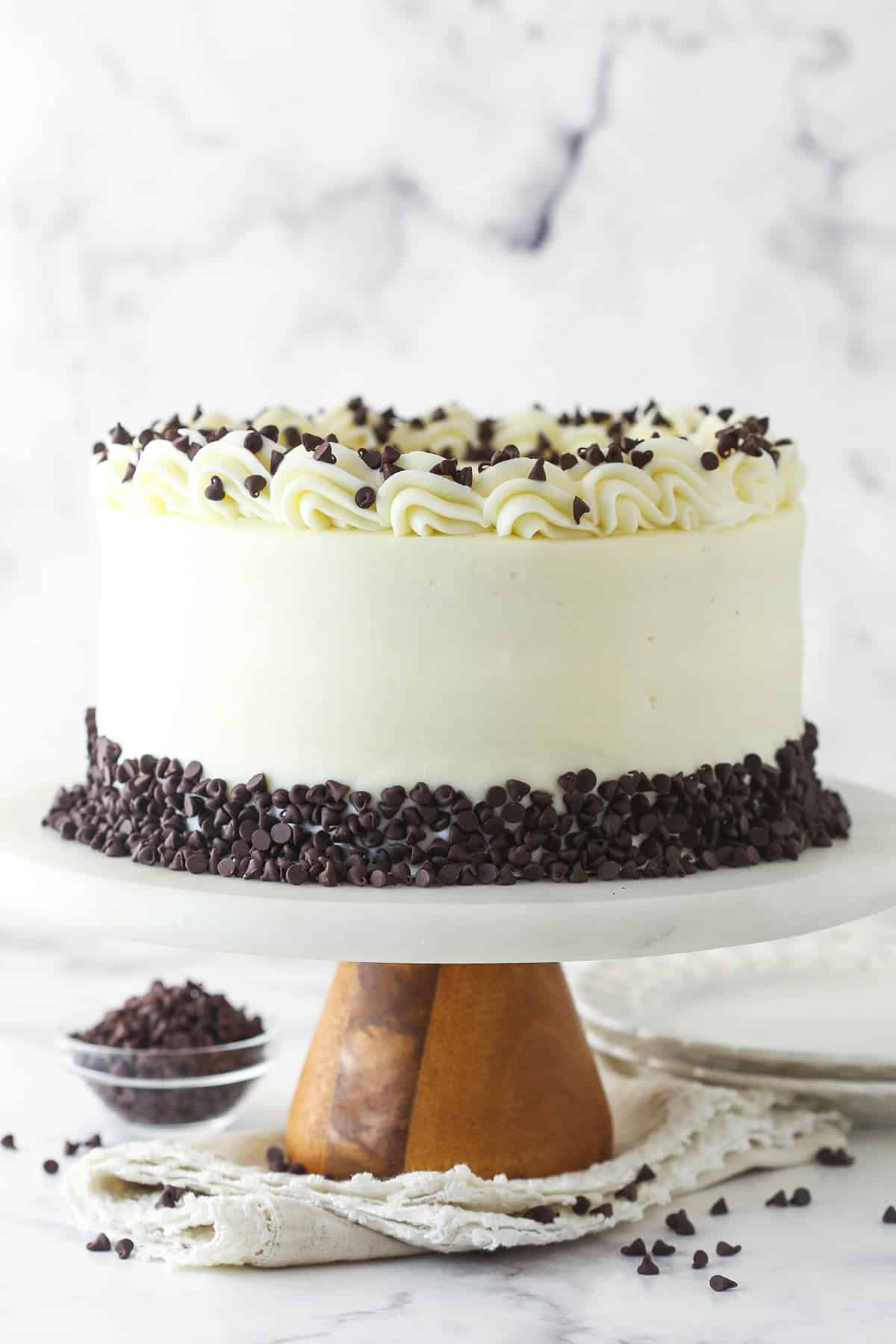
What Is Cannoli?
Cannoli are iconic Sicilian pastries with a history that stretches back centuries—some say even to the Arab rule of Sicily. At their core, they’re crisp fried pastry shells traditionally filled with sweetened ricotta cheese, often dotted with chocolate chips or candied citrus. The name “cannoli” comes from the Italian word “canna,” meaning reed, which early bakers used as molds for shaping the dough before frying. While modern versions sometimes use tube-shaped metal forms, the soul of a great cannoli lies in that delicate balance: shatteringly crisp outside, luxuriously creamy inside. They’re not overly sweet—just rich enough to feel indulgent—and best enjoyed fresh, within a few hours of filling. Though popular worldwide, true cannoli are deeply tied to Italian festivals, especially Carnevale, where they’re made in large batches and shared among family and neighbors.
Enjoying this article?
Subscribe and never miss an update.
We respect your privacy. Unsubscribe at any time.
Why You’ll Love This Recipe
This cannoli recipe is my go-to for dinner parties, holiday gatherings, or whenever I’m craving a little taste of Italy without the plane ticket. What makes it special? First, the shells are made with a touch of vinegar and Marsala wine—yes, really!—which gives them that signature crispness and subtle tang you just can’t get from plain flour-and-water dough. Second, we drain the ricotta overnight (I’ll show you how), so the filling stays thick and never turns watery. And third? You don’t need a deep fryer. A heavy-bottomed pot and a candy thermometer are all you need. I’ve made these with my nieces, late on a Sunday afternoon, laughing as we dipped the hot shells in chocolate and rolled them in pistachios. They’re forgiving, fun to assemble, and always impress. Plus, once you master the basics, you can play around—swap in mascarpone for extra richness, add a splash of orange zest, or even fill them with seasonal fruit compote. But honestly? The classic version here is perfection.
How to Make Cannoli
Quick Overview
We’ll start by making a simple dough with flour, sugar, egg, Marsala wine, and vinegar. After a brief rest, we roll it thin, wrap it around metal tubes (or clean soda cans!), and fry until golden. While the shells cool, we whip up the filling with well-drained ricotta, powdered sugar, vanilla, and mini chocolate chips. Once cooled, we pipe the filling into the shells, dip the ends in chopped pistachios or more chocolate, and serve immediately. Total active time is about 45 minutes, but plan ahead—the ricotta needs to drain for at least 4 hours (overnight is better).
Ingredients
For the shells:
• 2 cups all-purpose flour
• 2 tbsp granulated sugar
• ¼ tsp salt
• 1 large egg, lightly beaten
• ¼ cup dry Marsala wine (or substitute with 2 tbsp white wine + 2 tbsp water)
• 1 tbsp white vinegar
• ½ cup water (plus more as needed)
• Vegetable oil, for frying
• Optional: 1–2 tbsp cocoa powder for a richer color
For the filling:
• 2 cups whole-milk ricotta, well-drained (see tips below)
• ¾ cup powdered sugar
• 1 tsp pure vanilla extract
• ½ cup mini chocolate chips
• Optional: Zest of ½ orange or lemon
For finishing:
• ½ cup finely chopped pistachios
• Extra chocolate chips or melted dark chocolate for dipping
Step-by-Step Instructions
In a large bowl, whisk together flour, sugar, and salt. Make a well in the center and add egg, Marsala, vinegar, and ½ cup water. Mix with a fork until a shaggy dough forms, then knead gently on a floured surface for 3–4 minutes until smooth. Add a splash more water if it’s too dry—it should be firm but not crumbly. Wrap in plastic and let rest 30 minutes. Meanwhile, line a strainer with cheesecloth, add ricotta, and place over a bowl. Refrigerate for at least 4 hours (or overnight) to remove excess moisture.
Roll dough as thin as possible (about ⅛ inch) on a well-floured surface. Cut into 4-inch circles. Wrap each around a clean, greased metal cannoli tube (or a soda can wrapped in parchment). Seal the edge with a dab of water. Heat 2 inches of oil in a heavy pot to 375°F (190°C). Fry 2–3 shells at a time for 1–2 minutes per side until golden. Drain on paper towels and cool completely—they’ll crisp up as they cool.
For the filling, beat drained ricotta, powdered sugar, and vanilla until smooth. Fold in chocolate chips (and citrus zest if using). Transfer to a piping bag fitted with a large star tip. Fill each cooled shell from both ends. Dip exposed ends in chopped pistachios or melted chocolate. Serve right away—or store unfilled shells and filling separately for up to 3 days.
What to Serve It With
Cannoli shine brightest when they’re the star—but they pair beautifully with a strong espresso or a glass of sweet Vin Santo for dipping (a traditional Italian way!). For a festive spread, serve them alongside other Italian cookies like biscotti or pizzelle, or alongside fresh figs and grapes in late summer. They also make a stunning finish to a Mediterranean-inspired dinner: think grilled lamb, roasted vegetables, and a crisp arugula salad. Just remember—cannoli are best eaten the same day they’re filled, so plan accordingly!
Top Tips for Perfecting Your Cannoli
Draining the ricotta is non-negotiable—skip it, and your filling will weep into the shell, turning it soggy. I use whole-milk ricotta from the deli counter (not the tub kind) for the best texture. If your shells brown too quickly, lower the oil temp slightly—they should fry steadily, not violently. And here’s my favorite trick: brush the outside of the wrapped dough lightly with oil before frying. It helps create an extra-crisp, evenly golden shell that doesn’t absorb too much grease. Finally, don’t overfill! A generous swirl is plenty—too much and the shell cracks.
Storing and Reheating Tips
Unfilled cannoli shells stay crisp in an airtight container for up to 3 days at room temperature. The filling can be refrigerated for 2–3 days—just give it a quick stir before using. Never refrigerate filled cannoli; the moisture will soften the shell. If you must make ahead, assemble no more than 1 hour before serving. There’s no need to reheat—these are meant to be enjoyed cool and fresh.
Frequently Asked Questions
Final Thoughts
Making cannoli at home used to feel intimidating to me—like something only nonna could pull off. But once I tried it, I realized it’s less about perfection and more about joy. The smell of frying dough, the creamy sweetness of the filling, the crunch of pistachios under your teeth… it’s a little ritual that connects me to my heritage and brings people together. So go ahead—roll up your sleeves, play some Italian folk music, and make a mess in the kitchen. These cannoli are worth every crumb.
Homemade Cannoli
Ingredients
Method
- In a large bowl, whisk together flour, sugar, and salt.
- Make a well in the center and add egg, Marsala, vinegar, and ½ cup water.
- Mix with a fork until a shaggy dough forms, then knead gently on a floured surface for 3–4 minutes until smooth.
- Add a splash more water if it’s too dry—it should be firm but not crumbly.
- Wrap in plastic and let rest for 30 minutes.
- Meanwhile, line a strainer with cheesecloth, add ricotta, and place over a bowl. Refrigerate for at least 4 hours (or overnight) to remove excess moisture.
- Roll dough as thin as possible (about ⅛ inch) on a well-floured surface.
- Cut into 4-inch circles.
- Wrap each around a clean, greased metal cannoli tube (or a soda can wrapped in parchment). Seal the edge with a dab of water.
- Heat 2 inches of oil in a heavy pot to 375°F (190°C).
- Fry 2–3 shells at a time for 1–2 minutes per side until golden.
- Drain on paper towels and cool completely—they’ll crisp up as they cool.
- For the filling, beat drained ricotta, powdered sugar, and vanilla until smooth.
- Fold in chocolate chips (and citrus zest if using).
- Transfer to a piping bag fitted with a large star tip.
- Fill each cooled shell from both ends.
- Dip exposed ends in chopped pistachios or melted chocolate.
- Serve right away—or store unfilled shells and filling separately for up to 3 days.









I’ve always wanted to try making cannoli at home — this recipe sounds so delicious and authentic!
I’ve always dreamed of cannoli, and this recipe looks absolutely delicious! The way the ricotta melts sounds perfect.
These cannoli sound absolutely divine! I’ve never made them before, but this recipe looks foolproof—can’t wait to try it.
These sound absolutely divine—I miss authentic Sicilian cannoli so much! Can’t wait to try this recipe at home.