
Sweet Skewered Fruit How to Make Tanghulu
The Sweet, Crunchy Magic of Tanghulu: A Street Food Love Story
I’ll never forget the first time I tried tanghulu. I was wandering through a bustling night market in Beijing, the air thick with the scent of sizzling skewers and steamed buns, when I spotted a vendor holding up a cluster of glossy, ruby-red hawthorns impaled on a stick like edible jewels. One bite—crisp sugar shell giving way to tart, soft fruit—and I was hooked. That magical contrast of sweet and sour, crunchy and tender, has stayed with me ever since. Now, I make it at home whenever I’m craving a little nostalgia or just want to impress friends with something that looks fancy but is surprisingly simple. If you’ve never had tanghulu, imagine a Chinese cousin to the candied apple—but lighter, brighter, and way more addictive. And the best part? You don’t need a trip to Asia to enjoy it. With just a few humble ingredients and a bit of patience, you can recreate this iconic street treat right in your own kitchen. Let me walk you through it—like I’m handing you the stick myself.
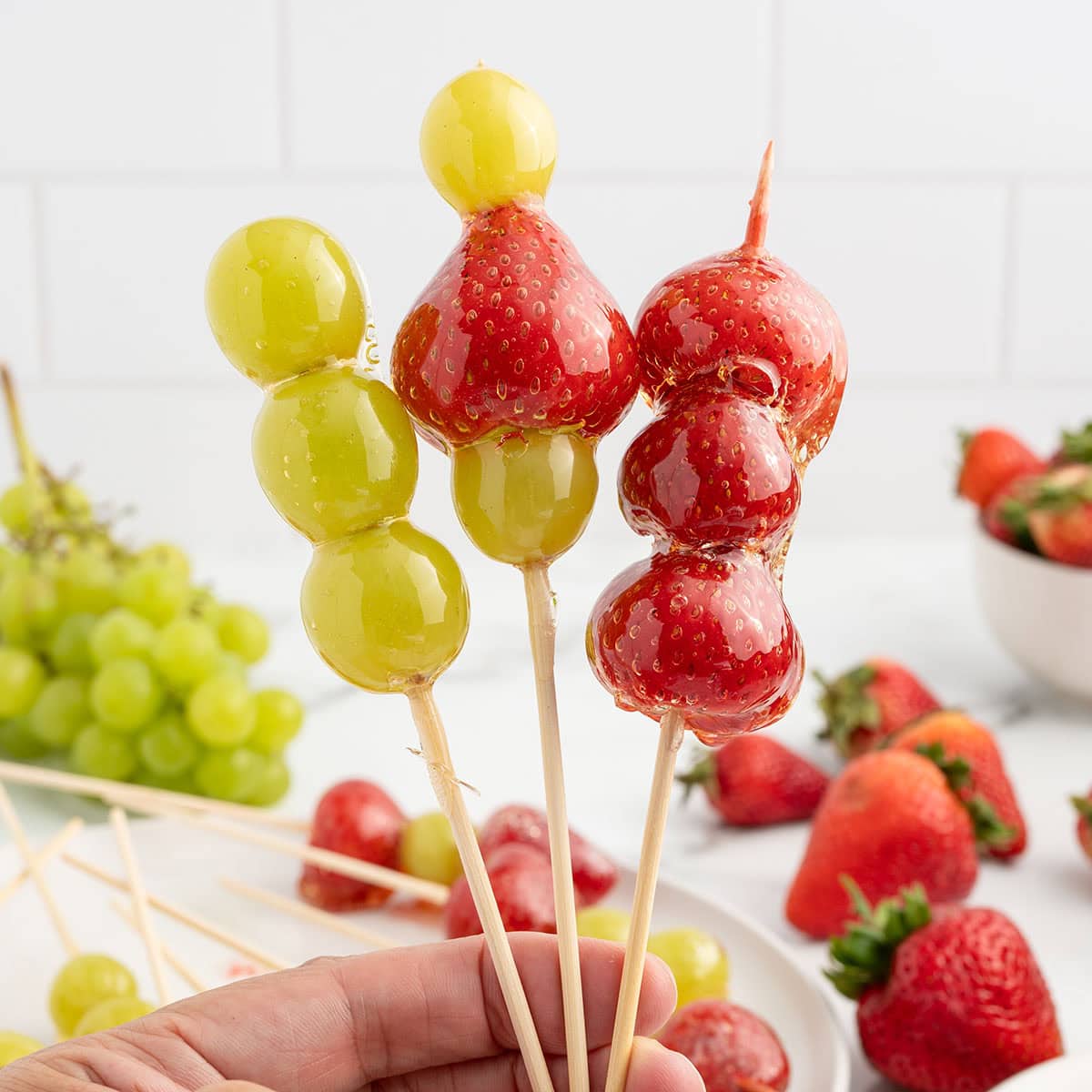
What Is Tanghulu?
Tanghulu (pronounced “tahng-hwah-loo”) is a traditional Chinese confection that’s been enjoyed for centuries—especially during festivals like Chinese New Year. At its core, it’s fresh fruit coated in a hard, translucent shell of caramelized sugar, typically served on a bamboo skewer. While hawthorn berries are the classic choice (and what gives tanghulu its signature tartness), modern versions often feature strawberries, grapes, or even mandarin oranges. The name literally translates to “sugar gourd,” a nod to the original gourd-shaped hawthorn fruit. What makes tanghulu so special isn’t just its flavor, but its texture: that satisfying *crack* as your teeth break through the brittle sugar coating, followed by the juicy burst of fruit beneath. It’s a treat that engages all your senses—visually stunning, audibly crisp, and deeply satisfying to eat. Plus, it’s naturally vegan and gluten-free, making it accessible to so many. Whether you’re celebrating a holiday or just treating yourself after dinner, tanghulu brings a little bit of joyful tradition to your table.
Enjoying this article?
Subscribe and never miss an update.
We respect your privacy. Unsubscribe at any time.
Why You’ll Love This Recipe
This tanghulu recipe is one of those rare gems that feels both nostalgic and refreshingly new. First off, it’s incredibly approachable—no fancy equipment needed, just a saucepan, a candy thermometer (or your eyes if you’re confident!), and some patience. The ingredient list is short and sweet: fruit, sugar, water, and a splash of lemon juice to balance the sweetness. But don’t let the simplicity fool you; the result is pure magic. I love how it turns humble strawberries or grapes into something that looks like it belongs in a gourmet dessert shop. It’s also a fantastic activity to do with kids (with adult supervision near the stove!)—they’ll be mesmerized watching the sugar syrup transform from clear liquid to golden glass. Plus, tanghulu is naturally free of artificial colors and preservatives, so you know exactly what you’re eating. Another reason I keep coming back to this recipe? It’s deeply customizable. Swap hawthorns for seasonal berries, drizzle with chocolate after the sugar sets, or even add a pinch of chili powder for a sweet-spicy kick. And because it’s served on a stick, it’s perfect for parties, picnics, or even as a thoughtful homemade gift. Honestly, once you master the sugar coating—which sounds scarier than it is—you’ll wonder why you didn’t try this sooner.
How to Make Tanghulu
Quick Overview
Making tanghulu is all about timing and temperature. You’ll start by prepping your fruit—washing, drying thoroughly (this is crucial!), and threading them onto skewers. Then, you’ll cook sugar, water, and a touch of lemon juice into a clear, bubbling syrup that reaches the hard-crack stage (around 300°F/150°C). Once the syrup hits that perfect temp, you’ll quickly dip each skewer into the hot sugar, let the excess drip off, and place them on a parchment-lined tray to set. The whole process takes under 30 minutes, but the hardest part is resisting the urge to eat them right away! Pro tip: work in small batches so the syrup doesn’t cool too fast, and have everything ready before you start cooking—this isn’t a recipe for multitasking.
Ingredients
You’ll need just four simple ingredients:
- 1 pound fresh fruit (strawberries, grapes, or hawthorn berries work best)
- 1 cup granulated sugar
- ½ cup water
- 1 teaspoon lemon juice (helps prevent crystallization)
Step-by-Step Instructions
Start by washing your fruit gently and patting it completely dry with a clean kitchen towel—any moisture will cause the sugar to seize. Thread 4–6 pieces of fruit onto each bamboo skewer, leaving a little space at the top for holding. Set aside on a parchment-lined baking sheet. In a small, heavy-bottomed saucepan, combine sugar, water, and lemon juice. Heat over medium heat, stirring just until the sugar dissolves. Once it starts boiling, stop stirring and let it cook undisturbed until it reaches 300°F (150°C) on a candy thermometer, or until a drop of syrup dropped into cold water forms a hard, brittle thread. This usually takes 8–12 minutes. Remove from heat immediately. Working quickly, hold a skewer over the pan and dip the fruit into the hot syrup, rolling gently to coat evenly. Let excess drip off, then lay the skewer flat on the parchment paper. Repeat with remaining skewers, reheating the syrup slightly if it thickens too much. Let cool completely—about 10–15 minutes—before serving. Enjoy within a few hours for the best texture!
What to Serve It With
Tanghulu is delightful on its own, but it also pairs beautifully with other treats. I love serving it alongside a pot of fragrant jasmine tea—the floral notes complement the fruit’s tartness perfectly. For a festive spread, arrange tanghulu skewers on a wooden board with bowls of dried nuts, sesame candies, and mini mooncakes. It’s also a showstopper at dessert tables during Lunar New Year or as a unique addition to a summer fruit platter. If you’re feeling indulgent, try dipping the finished tanghulu in melted Dark Chocolate after the sugar shell sets—it adds a rich, bittersweet layer that’s absolutely divine. Just remember: tanghulu is best enjoyed fresh, so serve it the same day you make it for that irresistible crunch.
Top Tips for Perfecting Your Tanghulu
The secret to flawless tanghulu lies in the details. First, dry your fruit thoroughly—even a single drop of water can ruin the sugar coating. Second, use a heavy-bottomed saucepan to ensure even heat distribution and prevent burning. Third, don’t stir the syrup once it starts boiling; this helps avoid crystallization. If you don’t have a candy thermometer, test the syrup by dropping a bit into ice water—it should form a hard, brittle ball that cracks when bent. Work quickly but calmly when dipping; the syrup cools fast! And if your first batch isn’t perfect? Don’t worry—even slightly imperfect tanghulu tastes amazing. Finally, choose firm, ripe-but-not-overripe fruit; mushy berries won’t hold their shape under the hot sugar.
Storing and Reheating Tips
Tanghulu is best eaten the same day it’s made, as the sugar shell can soften over time due to moisture from the fruit. However, if you have leftovers (lucky you!), store them in an airtight container at room temperature for up to 24 hours. Avoid refrigeration—it introduces humidity and will make the coating sticky. If the shells do soften slightly, you can gently reheat them in a 200°F (95°C) oven for 2–3 minutes to crisp them up again, but honestly, they’re never quite the same as fresh. My advice? Make just enough to share (and savor) right away!
Frequently Asked Questions
Final Thoughts
There’s something so joyful about tanghulu—it’s a treat that bridges generations, cultures, and simple pleasures. Whether you’re making it to honor tradition, surprise your family, or just brighten an ordinary afternoon, this recipe never fails to deliver a moment of pure delight. I hope you give it a try and fall in love with that first crack of sugar giving way to juicy fruit, just like I did years ago in that Beijing night market. Don’t stress about perfection; even if your first batch isn’t Instagram-ready, the taste will still transport you. And who knows? You might just start a new holiday tradition—or at least a very delicious Tuesday night ritual. Happy cooking, friend!
Sweet Skewered Fruit How to Make Tanghulu
Ingredients
Method
- Prepare the fruit by washing strawberries and grapes thoroughly. Pat them completely dry with paper towels—any moisture will prevent the sugar coating from sticking.
- Skewer 4–5 pieces of fruit per bamboo stick, leaving space at the bottom for holding. Set aside on a parchment-lined tray.
- In a small saucepan, combine sugar and water. Heat over medium heat, stirring gently until sugar dissolves completely. Stop stirring once boiling begins.
- Continue cooking the syrup without stirring until it reaches 300°F (hard crack stage) on a candy thermometer. The syrup should be clear with a slight golden hue.
- Remove from heat immediately. Working quickly, dip each fruit skewer into the hot syrup, coating evenly. Let excess drip off, then place on a silicone mat or greased baking sheet to harden.
- Allow Tanghulu to cool completely at room temperature for 10–15 minutes until the candy shell is firm and glossy.







I remember loving tanghulu as a kid—such a fun, crunchy treat! Perfect for hot days or festive moments.
I remember trying tanghulu for the first time in Taipei—the contrast of crisp sugar and sweet fruit was so magical!
That sounds delicious! I’ve always wanted to try making tanghulu at home—do you have any tips for keeping the sugar coating from getting too sticky?
I remember trying tanghulu for the first time at a night market in Shanghai—so sweet, crunchy, and satisfying! Your post made me want to make it myself.
Tanghulu always hits different—sweet, crunchy, and full of nostalgia for me too! Great post reminding us why street snacks are the best.