
Golden Citrus Custard How to Make It
A Creamy, Citrus-Kissed Dream: My Grandma’s Orange Custard
There’s something about the first spoonful of warm, silky orange custard that feels like a hug from the inside out. I remember sitting at my grandmother’s kitchen table as a kid, watching her whisk together eggs, sugar, and fresh-squeezed orange juice like it was magic—and honestly, it kind of was. That golden glow, that delicate balance of sweet and tangy, that custard so smooth it practically melts on your tongue… it’s been my go-to comfort dessert ever since. Today, I’m sharing her recipe with you—not just because it’s delicious (though, seriously, it is), but because it carries all those cozy Sunday afternoons and the quiet joy of making something by hand. If you’ve never tried orange custard before, prepare to be smitten. And if you have? Well, this version might just become your new favorite.
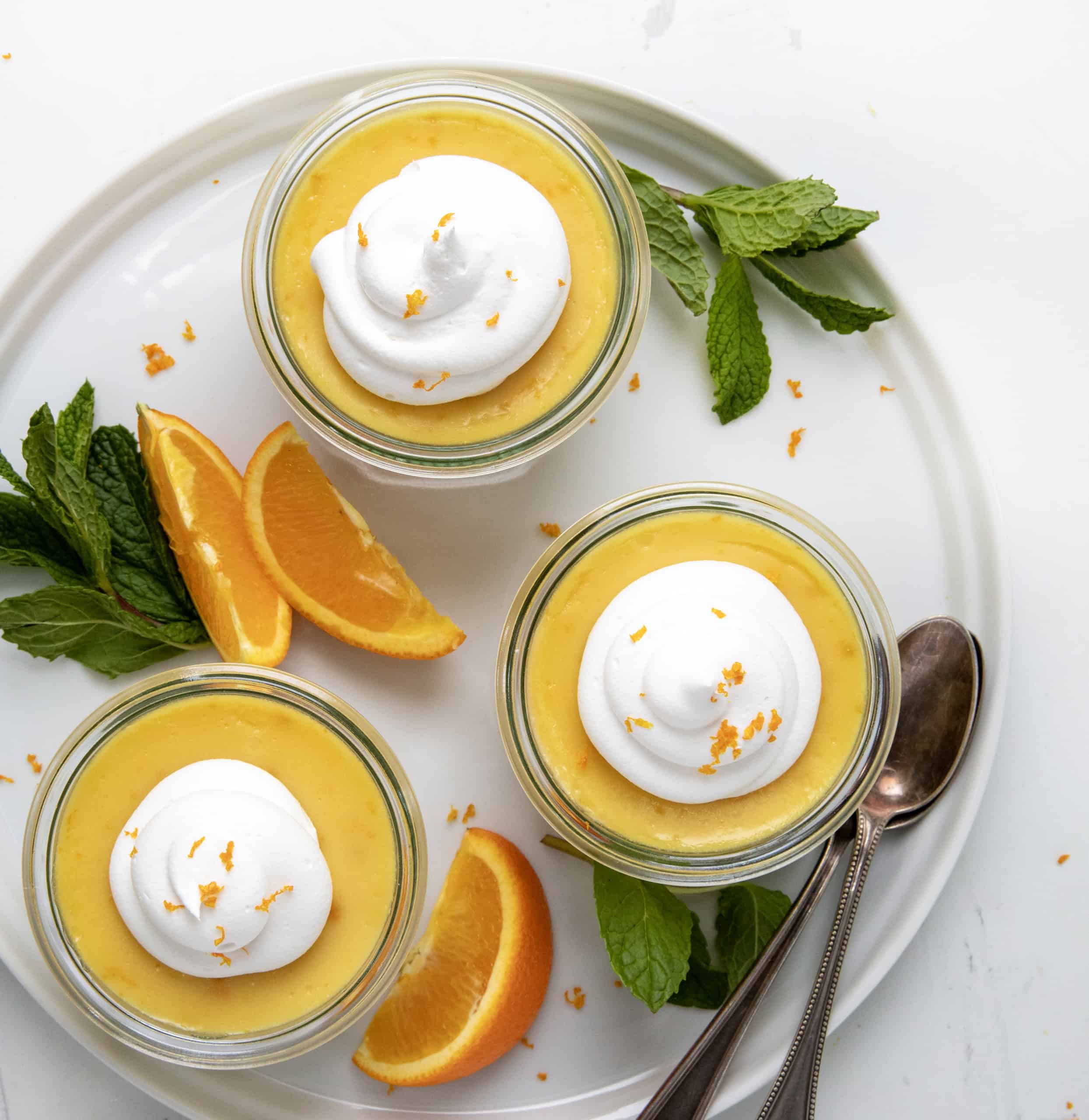
What Is Orange Custard?
Orange custard isn’t just pudding with a citrus twist—it’s a rich, velvety dessert that walks the perfect line between creamy and bright. Made with simple ingredients like eggs, sugar, milk (or cream), and plenty of fresh orange juice and zest, it’s a classic baked custard elevated by the sunny flavor of oranges. Unlike store-bought versions that can taste artificial or overly sweet, this homemade rendition lets the natural citrus shine through, balanced by the luxurious texture of slow-cooked egg yolks. It’s elegant enough for dinner parties but comforting enough for a quiet night in. Think of it as crème brûlée’s brighter, more approachable cousin—no torch required, just a little patience and love. Whether served warm straight from the ramekin or chilled for a refreshing treat, orange custard delivers that rare combo of indulgence and lightness that makes it impossible to eat just one spoonful.
Enjoying this article?
Subscribe and never miss an update.
We respect your privacy. Unsubscribe at any time.
Why You’ll Love This Recipe
This orange custard has stolen my heart—and honestly, it might steal yours too. First off, it’s surprisingly simple to make, even if you’re not a seasoned baker. No fancy equipment, no complicated techniques—just a whisk, a saucepan, and a gentle oven. But what really sets it apart is how alive it tastes. The fresh orange zest adds a fragrant brightness that cuts through the richness, while the slow baking process coaxes out a silky, almost pudding-like texture that’s neither too firm nor too runny. It’s the kind of dessert that feels special without being fussy. Plus, it’s incredibly versatile: serve it warm on a chilly evening, chill it for a summer brunch, or even layer it into parfaits with whipped cream and berries. My kids ask for it every time they visit, and my friends always request the recipe after tasting it at gatherings. There’s just something deeply satisfying about watching someone close their eyes after the first bite—knowing you’ve made something that brings them genuine joy. And let’s be real: in a world of flashy desserts, this humble orange custard reminds us that sometimes, the simplest things are the most memorable.
How to Make Orange Custard
Quick Overview
This recipe yields four generous servings and takes about 1 hour total—including 45 minutes of hands-off baking time. You’ll gently heat milk, orange juice, and zest, then temper it into beaten eggs and sugar before baking in a water bath until just set. The result? A quivering, golden-orange custard that’s rich, fragrant, and utterly irresistible. Don’t worry if it jiggles slightly in the center when you take it out—that’s how you know it’s perfectly cooked!
Ingredients
You’ll need just a handful of pantry staples and the freshest oranges you can find:
- 3 large eggs
- ½ cup granulated sugar
- 1½ cups whole milk
- ½ cup heavy cream
- ½ cup freshly squeezed orange juice (about 2 medium oranges)
- 1 tablespoon freshly grated orange zest (avoid the white pith!)
- ¼ teaspoon vanilla extract (optional, but lovely)
- A pinch of salt
Step-by-Step Instructions
Preheat your oven to 325°F (160°C). Lightly grease four 6-ounce ramekins and place them in a deep baking dish. In a medium saucepan, combine the milk, heavy cream, orange juice, orange zest, and salt. Warm over medium heat until just steaming—don’t let it boil. Meanwhile, in a separate bowl, whisk together the eggs and sugar until smooth and slightly pale. Slowly pour about ½ cup of the warm milk mixture into the egg mixture, whisking constantly (this tempers the eggs so they don’t scramble). Now, pour the tempered egg mixture back into the saucepan, stirring continuously. Cook over low heat for 2–3 minutes, until slightly thickened—it should coat the back of a spoon. Remove from heat and stir in vanilla, if using. Strain the mixture through a fine-mesh sieve into a pitcher to remove zest bits and ensure silkiness. Divide evenly among the ramekins. Pour hot water into the baking dish until it reaches halfway up the sides of the ramekins. Carefully transfer to the oven and bake for 40–45 minutes, until the custards are set but still slightly wobbly in the center. Remove from the water bath, let cool for 15 minutes, then serve warm or chill for at least 2 hours before serving.
What to Serve It With
Orange custard is lovely on its own, but it plays beautifully with others! Try topping it with a dollop of lightly sweetened whipped cream and a sprinkle of extra orange zest for a classic finish. For a fresh twist, add a handful of macerated berries—raspberries or strawberries soak up the citrus notes beautifully. If you’re feeling indulgent, serve it alongside almond biscotti or shortbread cookies for dipping. In the summer, I love layering it with Greek yogurt and granola in a glass for a stunning (and slightly healthier) parfait. And don’t forget a dusting of powdered sugar or a drizzle of honey for that extra touch of sweetness. Whatever you choose, keep it simple—the custard is the star here!
Top Tips for Perfecting Your Orange Custard
First, always use fresh oranges—bottled juice just doesn’t deliver that vibrant, floral punch. Grate the zest carefully, avoiding the bitter white pith underneath the peel. Tempering the eggs is crucial: go slow when adding the warm liquid to the eggs, and keep whisking! This prevents curdling and ensures a silky texture. Don’t skip the sieve—it makes all the difference in achieving that restaurant-quality smoothness. Bake in a water bath (bain-marie) to keep the heat gentle and even; this is non-negotiable for creamy custard. Finally, resist the urge to overbake! The center should jiggle just slightly when the timer goes off—it’ll firm up as it cools. And if you’re making it ahead, cover chilled custards with plastic wrap pressed directly onto the surface to prevent a skin from forming.
Storing and Reheating Tips
This orange custard keeps beautifully! Store leftovers covered in the refrigerator for up to 3 days. To reheat gently, place the ramekin in a shallow pan of hot water for 5–7 minutes, or microwave on 50% power in 15-second intervals until warmed through. Avoid high heat—it can cause the custard to split. If you notice a thin layer of liquid on top after chilling, just stir it back in; that’s totally normal. For best texture, enjoy it within 2 days, though I’ve never had any last that long!
Frequently Asked Questions
Final Thoughts
Making this orange custard always brings me right back to my grandmother’s sunlit kitchen—the smell of citrus filling the air, the quiet clink of her whisk against the bowl, and that first spoonful that made everything feel right. It’s more than just a dessert; it’s a little piece of nostalgia, made with love and shared with people who matter. I hope it becomes a cherished recipe in your home too—whether you’re serving it to family, friends, or just treating yourself after a long day. Because sometimes, the sweetest moments come from the simplest things… like a bowl of golden orange custard and someone to share it with.
Golden Citrus Custard How to Make It
Ingredients
Method
- In a medium saucepan, combine the milk, heavy cream, orange zest, and lemon zest (if using). Heat over medium heat until just simmering, then remove from heat and let steep for 10 minutes.
- In a separate bowl, whisk together the egg yolks, sugar, and cornstarch until smooth and pale yellow.
- Slowly pour the warm milk mixture into the egg mixture, whisking constantly to temper the eggs and prevent curdling.
- Return the mixture to the saucepan and cook over low heat, stirring constantly with a wooden spoon, until the custard thickens and coats the back of the spoon (about 5–7 minutes). Do not let it boil.
- Remove from heat and stir in the vanilla extract and fresh orange juice. Strain the custard through a fine-mesh sieve into a clean bowl to remove zest and ensure smoothness.
- Cover the surface of the custard with plastic wrap to prevent a skin from forming. Chill in the refrigerator for at least 2 hours before serving.
- Serve cold in small ramekins or dessert cups, garnished with additional orange zest if desired.







This sounds absolutely comforting! I’ve always loved citrus custards—there’s something so cozy about that warm, creamy flavor.
I love how comforting this sounds—orange custard always takes me back to cozy family moments!
This sounds so comforting! I love how custard can feel like a warm hug. Any tips for getting it extra creamy?
This recipe brought back such warm memories—my grandma used to make something similar, and now I can’t wait to try it myself!
I love how comforting and nostalgic this sounds—orange custard always reminds me of cozy family moments! Thanks for sharing the recipe.