
Easy Crockpot Chicken Broth Recipe
The Secret to Rich, Soul-Warming Chicken Stock (That You Can Actually Make at Home)
There’s something deeply comforting about a pot of homemade chicken stock simmering away on the stove—the gentle bubbles, the savory aroma that wraps around your kitchen like a warm hug, and the quiet promise of soups, stews, and risottos to come. I’ll be honest: for years, I bought store-bought stock out of convenience. But once I started making my own? Game over. Nothing compares to that deep, golden liquid you’ve coaxed from bones, veggies, and time. It’s not just broth—it’s liquid gold with soul. And the best part? It’s surprisingly simple. No fancy equipment, no hard-to-find ingredients—just patience, a few humble staples, and your favorite pot. Today, I’m sharing my go-to method for rich, flavorful chicken stock that’s become the backbone of nearly every comforting meal in my kitchen. Once you taste the difference, you’ll never look back.
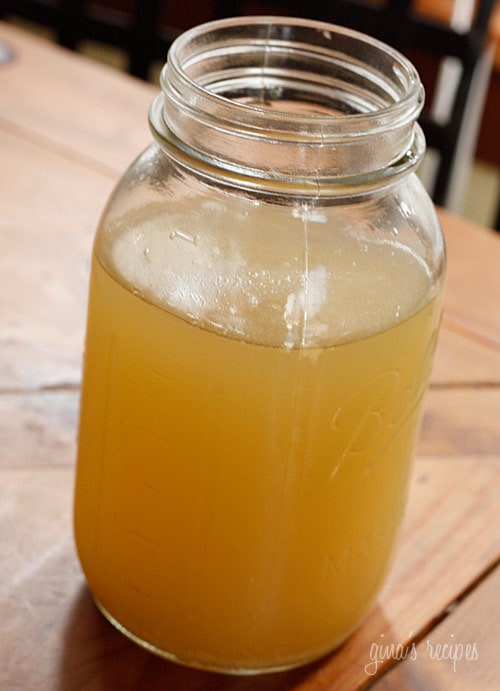
What Is Chicken Stock?
Chicken stock is a flavorful liquid made by slowly simmering chicken bones (often with meat still attached), aromatic vegetables like onions, carrots, and celery, and herbs in water. Unlike broth—which is typically made with more meat and cooked for a shorter time—stock relies heavily on bones and cartilage, which release collagen as they cook. This gives homemade chicken stock its signature silky body and rich mouthfeel. It’s the foundation of countless dishes: soups, gravies, sauces, braises, and even grains like rice or quinoa. While store-bought versions can be salty or thin, a well-made chicken stock is deeply savory, naturally gelatinous when chilled, and packed with nutrients. Think of it as your kitchen’s secret weapon—a humble ingredient that transforms everyday meals into something truly special. Plus, it’s incredibly economical: you’re essentially turning leftover bones into culinary treasure.
Enjoying this article?
Subscribe and never miss an update.
We respect your privacy. Unsubscribe at any time.
Why You’ll Love This Recipe
This chicken stock recipe is the kind of thing you’ll want to make again and again—not just because it tastes incredible, but because it feels like an act of care. There’s a quiet joy in simmering a pot for hours, knowing that every bubble is building layers of flavor that will nourish your family (or just yourself on a rainy Tuesday). It’s also wonderfully forgiving. Got leftover roasted chicken bones from Sunday dinner? Perfect. A few sad-looking carrots in the crisper? Toss ’em in. Celery going soft? Don’t toss it—simmer it! This isn’t about perfection; it’s about resourcefulness and flavor. And let’s talk about versatility: use it in matzo ball soup, creamy risottos, or even to deglaze a pan after searing chicken. It freezes beautifully, so you can always have a stash ready. Plus, making your own means you control the salt, avoid preservatives, and get that rich, collagen-rich texture that store-bought just can’t match. Honestly, once you’ve sipped a spoonful of deeply flavored, homemade chicken stock straight from the pot (yes, I’ve done it—don’t judge!), you’ll understand why this simple recipe has earned its permanent spot in my weekly routine.
How to Make Chicken Stock
Quick Overview
This recipe yields about 8–10 cups of rich, golden chicken stock using roasted or raw chicken bones, basic vegetables, and a few aromatics. You’ll simmer everything gently for 3–4 hours (or up to 24 hours in a slow cooker), then strain and cool. It’s hands-off, deeply flavorful, and perfect for freezing. No special skills needed—just a large pot, a little time, and the willingness to let your kitchen fill with that incredible savory scent.
Ingredients
You’ll need just a handful of simple ingredients—most of which you probably already have:
- 2–3 pounds chicken bones (roasted or raw—wings, backs, necks, or carcasses work great)
- 1 large onion, quartered (no need to peel)
- 2 medium carrots, roughly chopped
- 2 stalks celery, roughly chopped
- 3–4 garlic cloves, smashed (skin on is fine)
- 1 tablespoon whole black peppercorns
- 2 bay leaves
- 1 handful fresh parsley stems (or a few sprigs)
- 1 teaspoon apple cider vinegar (helps extract minerals from bones)
- 10–12 cups cold water (enough to cover everything by about 2 inches)
Step-by-Step Instructions
Start by placing your chicken bones in a large stockpot or Dutch oven. If you’re using leftover roasted chicken bones, even better—they’ll add deeper flavor. Add the onion, carrots, celery, garlic, peppercorns, bay leaves, parsley, and apple cider vinegar. Pour in enough cold water to fully submerge everything by about 2 inches. Bring the mixture to a gentle boil over medium-high heat, then reduce the heat to low so it simmers very gently—you should see just a few bubbles breaking the surface. Skim off any foam or impurities that rise to the top during the first 15–20 minutes. Let it simmer uncovered for 3–4 hours, adding a bit more water if needed to keep everything submerged. (For even richer stock, simmer up to 8 hours on the stove or 12–24 hours in a slow cooker on low.) Once done, turn off the heat and let it cool slightly. Then, carefully strain the stock through a fine-mesh sieve into a large bowl or container, pressing gently on the solids to extract all the liquid. Discard the solids. Let the stock cool completely before storing.
What to Serve It With
Homemade chicken stock shines in so many dishes! Use it as the base for classic Chicken Noodle Soup, creamy potato-leek soup, or a hearty bean and vegetable stew. It’s perfect for cooking grains like rice, farro, or orzo—just swap water for stock for an instant flavor boost. Try it in risottos, gravies, or even to braise greens like kale or collards. And if you’re feeling fancy, reduce it slightly and serve as a sipping broth with a pinch of sea salt and fresh herbs. Honestly, once you have a batch on hand, you’ll find yourself reaching for it constantly—it’s that good.
Top Tips for Perfecting Your Chicken Stock
First, don’t rush it! Low and slow is the name of the game—gentle simmering extracts maximum flavor and collagen without making the stock cloudy. Second, roast your bones first if you can: spread them on a baking sheet and roast at 400°F (200°C) for 30–40 minutes until golden. This adds depth and richness. Third, avoid boiling vigorously—it can make the stock murky and slightly bitter. Fourth, always add vinegar! That little splash helps pull minerals like calcium and magnesium from the bones. And finally, taste before salting—you can always add salt later, but you can’t take it out. If your stock tastes bland after straining, simply simmer it down further to concentrate the flavor.
Storing and Reheating Tips
Let your cooled chicken stock chill in the fridge for a few hours—any fat will rise to the top and harden, making it easy to skim off (though leaving a little adds richness). Store in airtight containers: it keeps for up to 5 days in the fridge. For longer storage, freeze it! Pour cooled stock into freezer-safe jars (leave 1 inch of headspace) or ice cube trays for portioned cubes. Label with the date—it’ll keep well for up to 6 months. To reheat, thaw overnight in the fridge or gently warm on the stove over low heat. Stir occasionally and taste before using—sometimes a pinch of salt or herbs perks it right back up.
Frequently Asked Questions
Final Thoughts
Making chicken stock at home isn’t just about cooking—it’s about slowing down, honoring leftovers, and creating something nourishing from simple things. Every time I pour that golden liquid into a soup pot or freeze it for later, I feel a quiet pride. It’s humble, yes, but it’s also powerful. This recipe has turned my kitchen into a place of comfort and creativity, and I hope it does the same for you. So grab those bones, fill your pot with water, and let the magic happen. Your future soups (and your taste buds) will thank you.
Easy Crockpot Chicken Broth Recipe
Ingredients
Method
- Place chicken bones, onion, carrots, celery, garlic, apple cider vinegar, salt, peppercorns, and bay leaf into the crockpot.
- Pour in enough water to completely cover the ingredients, about 8 cups.
- Cover and cook on low for 8 hours, or on high for 4–5 hours. Skim off any foam that rises to the top during the first hour if desired.
- Once cooked, carefully strain the broth through a fine-mesh sieve or cheesecloth into a large bowl or container. Discard solids.
- Let the broth cool slightly, then refrigerate for up to 5 days or freeze for up to 3 months. Skim off any solidified fat before using if desired.










I’ve made this a few times and it’s so much better than store-bought! The house always smells amazing while it cooks.
This sounds perfect for chilly evenings! I’ve been wanting to try making broth at home—any tips on storing it long-term?
Made this last weekend and the smell alone was so cozy! My family loved it—way better than store-bought.
Love this recipe! I make mine with veggies leftovers and it always hits the spot. Any tips for making it extra rich?
Love this recipe! My homemade broth always tastes so much richer than store-bought. Such a cozy, easy project.