
Stacked Cabbage Rolls How to Make Them
My Grandma’s Cabbage Rolls: A Comforting Hug on a Plate
You know that feeling when you walk into a kitchen and instantly feel at home? That’s what these Cabbage Rolls do for me. I remember sitting at my grandmother’s Formica table, watching her hands—wrinkled but steady—carefully wrap each leaf around a savory mix of ground meat and rice. The air would be thick with the scent of simmering tomatoes and herbs, and I’d sneak bites of the filling before she even started rolling. These aren’t just stuffed cabbage leaves; they’re edible love letters from a time when meals were made slowly, with intention. Today, I’m sharing her recipe with you—not because it’s fancy, but because it’s real. It’s the kind of dish that warms your belly and your heart, especially on those chilly evenings when you need something deeply comforting. So grab a cup of tea, pull up a chair, and let’s make magic together.
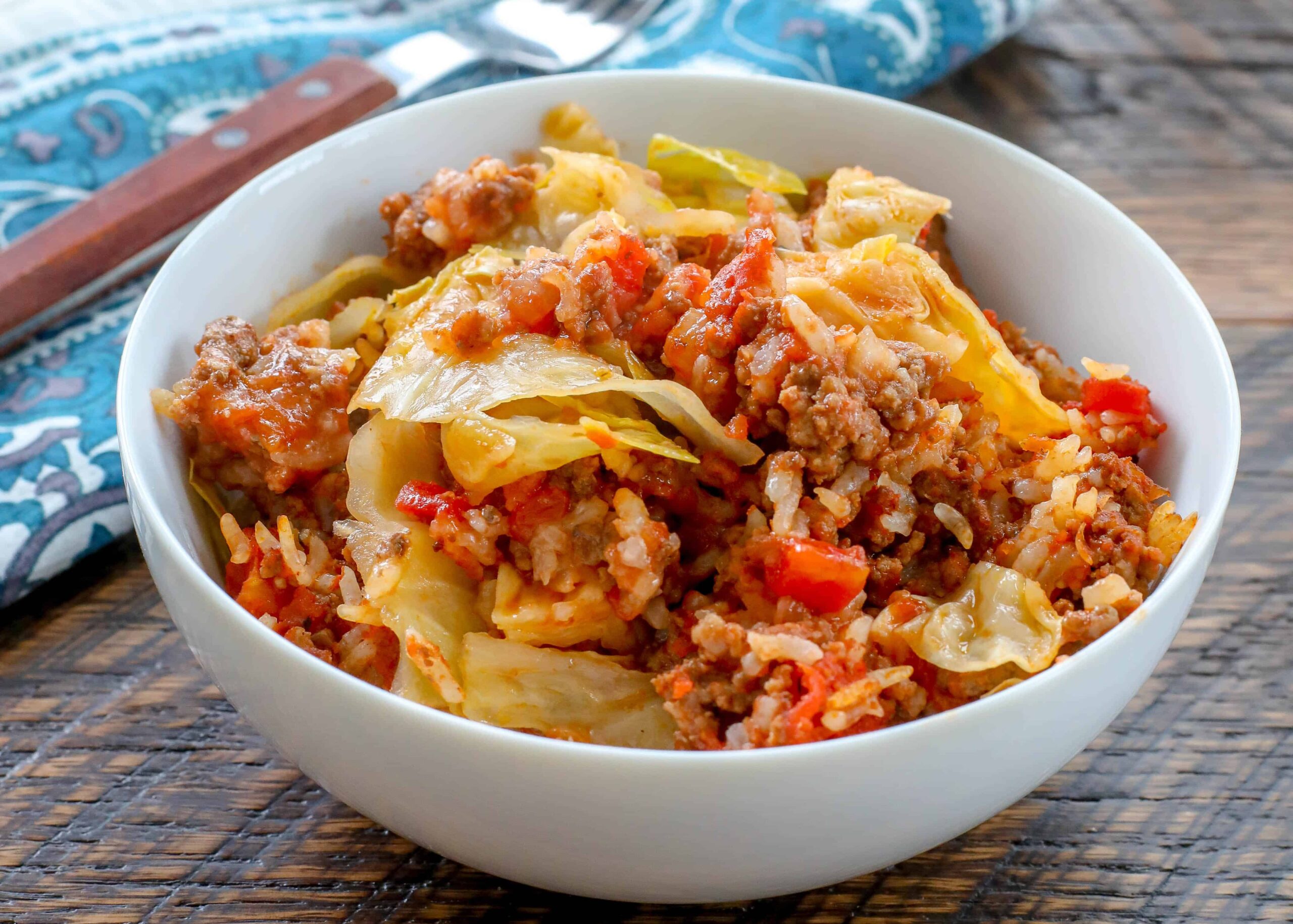
What Is Cabbage Rolls?
Cabbage rolls—sometimes called “holubtsi” in Eastern European kitchens or “sarma” in Balkan homes—are humble yet extraordinary. At their core, they’re tender cabbage leaves wrapped around a flavorful filling, usually made with ground meat (like beef or pork), rice, onions, and warm spices, then simmered in a tangy tomato-based sauce. But don’t let their simplicity fool you. These rolls carry generations of tradition, often appearing at family gatherings, holidays, and Sunday dinners. They’re rustic, yes, but also deeply nourishing—a one-pot wonder that feeds both body and soul. Whether you grew up eating them or are trying them for the first time, cabbage rolls have a way of feeling instantly familiar, like a recipe your own grandma might have tucked into her well-worn cookbook.
Enjoying this article?
Subscribe and never miss an update.
We respect your privacy. Unsubscribe at any time.
Why You’ll Love This Recipe
First off, this isn’t one of those finicky recipes that demands precision or fancy equipment. It’s forgiving, flexible, and absolutely delicious—even if your first few rolls look a little lopsided (mine always do, and honestly, that’s part of their charm). What really wins me over is how the flavors deepen as they cook. The cabbage becomes melt-in-your-mouth tender, the meat stays juicy thanks to the slow simmer, and the tomato sauce soaks into every crevice, creating a rich, slightly sweet-and-sour harmony. Plus, it’s surprisingly budget-friendly—cabbage is cheap, and you probably already have most of the pantry staples on hand.
Another thing I adore? It’s a make-ahead dream. These taste even better the next day, so they’re perfect for meal prep or feeding a crowd without breaking a sweat. And while they’re traditionally made with ground beef or pork, you can easily swap in turkey, chicken, or even lentils for a vegetarian version—your taste buds won’t know the difference. Most importantly, though, making these rolls connects me to my roots. Every time I peel back those cabbage leaves, I think of my grandma humming old folk songs while stirring the pot. That’s the real secret ingredient: love.
How to Make Cabbage Rolls
Quick Overview
This recipe yields about 12 Hearty Cabbage rolls and takes roughly 2 hours from start to finish—about 30 minutes of prep and 1.5 hours of gentle simmering. The key steps involve blanching the cabbage to soften the leaves, mixing the filling, wrapping each roll tightly, and letting them cook slowly in a tomato-herb broth. Don’t rush the simmering step; that’s where the magic happens. Serve them straight from the pot with a dollop of sour cream and a sprinkle of fresh dill. Simple, satisfying, and soul-warming.
Ingredients
You’ll need: 1 large head of green cabbage (about 2–3 lbs), 1 lb ground beef (or pork/turkey), ½ cup uncooked white rice, 1 small onion (finely chopped), 2 cloves garlic (minced), 1 egg, 1 tsp salt, ½ tsp black pepper, 1 tsp paprika, 1 (15 oz) can crushed tomatoes, 2 cups tomato sauce, 1 cup beef or vegetable broth, 1 tbsp brown sugar (optional, for balance), and fresh dill or parsley for garnish.
Step-by-Step Instructions
Start by bringing a large pot of water to a boil. Carefully core the cabbage and place the whole head in the boiling water. Let it cook for 5–7 minutes, until the outer leaves peel away easily. Remove the cabbage, let it cool slightly, then gently peel off 12–14 large leaves. Trim the thick stem from each leaf so they’re easier to roll. In a bowl, mix the ground meat, cooked rice (yes, cook it first!), onion, garlic, egg, salt, pepper, and paprika until just combined—don’t overmix. Place about 2 tablespoons of filling near the stem end of each cabbage leaf, fold the sides inward, then roll up like a burrito. Arrange the rolls seam-side down in a large Dutch oven or deep skillet. Pour the crushed tomatoes, tomato sauce, broth, and brown sugar over the rolls. Cover and simmer on low heat for 1 to 1.5 hours, until the cabbage is tender and the flavors meld. Garnish with fresh herbs before serving.
What to Serve It With
These cabbage rolls are hearty enough to stand alone, but I always like to round out the meal with something fresh and bright. A simple green salad with a lemony vinaigrette cuts through the richness, while a slice of crusty rye bread is perfect for mopping up that glorious tomato sauce. For a more traditional touch, serve with a spoonful of tangy sour cream or crème fraîche—it adds a cool, creamy contrast that’s absolutely divine. If you’re feeling festive, a side of pickled beets or sauerkraut brings a nice acidic pop. And don’t forget a glass of chilled kvass or a crisp lager if you’re pairing it with drinks. Honestly, though, the best companion is good company. Pull up a chair and dig in.
Top Tips for Perfecting Your Cabbage Rolls
First, don’t skip blanching the cabbage—it’s essential for getting those leaves pliable without tearing. If you’re short on time, you can microwave the whole cabbage for 3–4 minutes to loosen the leaves, but boiling gives the best texture. Second, understuff your rolls slightly; the rice will expand as it cooks, and too much filling can cause them to burst. Third, keep the heat low during simmering—you want a gentle bubble, not a rolling boil, or the rolls may unravel. If your sauce seems too acidic, a pinch of brown sugar or a splash of cream balances it beautifully. And finally, resist the urge to peek too often! Keeping the lid on traps steam and ensures even cooking. Trust the process—it’s worth the wait.
Storing and Reheating Tips
These cabbage rolls actually taste better the next day, so don’t hesitate to make them ahead! Store leftovers in an airtight container in the fridge for up to 4 days. To reheat, gently warm them in a covered pot over low heat with a splash of broth or water to prevent drying out. You can also reheat individual portions in the microwave, but stovetop preserves the texture best. For longer storage, freeze fully cooled rolls (sauce and all) in a freezer-safe container for up to 3 months. Thaw overnight in the fridge before reheating. Pro tip: freeze them in single-serving portions so you always have a comforting meal ready when life gets busy.
Frequently Asked Questions
Final Thoughts
Making these cabbage rolls always brings me back to my grandmother’s kitchen—the warmth of the stove, the sound of her humming, the way she’d wink when I stole a bite of filling. They’re more than just a recipe; they’re a reminder that the best meals are made with patience, love, and a little bit of mess. Whether you’re cooking for one or feeding a houseful, I hope these rolls wrap you in the same comfort they’ve given me for years. So go ahead, roll up your sleeves, and give them a try. Your future self (and your taste buds) will thank you.
Stacked Cabbage Rolls How to Make Them
Ingredients
Method
- Bring a large pot of water to a boil. Carefully core the cabbage and place it in the boiling water. Cook for 5-7 minutes, or until outer leaves peel away easily. Remove 12 large leaves and set aside. Trim thick stems to flatten.
- In a large skillet, cook ground beef over medium heat until browned. Drain excess fat. Add onion and garlic; cook for 3-4 minutes until softened.
- Stir in uncooked rice, beaten egg, salt, and pepper. Mix well and remove from heat. Let cool slightly.
- Place about 2 tablespoons of filling near the stem end of each cabbage leaf. Fold sides over filling, then roll up tightly. Repeat with remaining leaves and filling.
- In a large pot or Dutch oven, combine crushed tomatoes, tomato sauce, beef broth, brown sugar, oregano, and paprika. Stir well.
- Arrange cabbage rolls seam-side down in the pot, stacking them tightly. Pour sauce over rolls until mostly covered.
- Bring to a simmer, then cover and reduce heat to low. Cook for 1.5 hours, or until rice is tender and filling is cooked through.
- Serve hot, spooning extra sauce over each serving.







This sounds so cozy! I’ve always loved cabbage rolls too—nothing beats a homemade, hearty meal passed down through family. Thanks for sharing your grandma’s recipe!
This recipe brought back so many warm memories—my grandma made these every Sunday, and the smell alone could fill a whole house with love.
These cabbage rolls taste like pure comfort! My mom made them for me last winter—still my favorite.
This looks so cozy and delicious—definitely giving me grandma kitchen vibes! Can’t wait to try this recipe.
This recipe brought back so many memories! Grandma’s cooking always feels like a warm hug in every bite. Thanks for sharing this comforting classic.