
Creamy White Cheese Dip Recipe
The Creamy, Dreamy Magic of Homemade Queso Blanco
You know that moment when you take a bite of something so simple, so comforting, it instantly transports you? That’s queso blanco for me—a silky, snow-white cheese that melts on your tongue like butter kissed by sunshine. I first tasted it years ago at a tiny taquería tucked into a quiet corner of Oaxaca, where the owner’s abuela stirred a pot over a wood fire, humming softly. One bite, and I was hooked. Since then, I’ve spent countless Sunday afternoons perfecting my own version at home—because honestly, nothing beats the joy of making something this delicious from scratch. It’s not fancy, it’s not fussy, but it’s pure magic. Whether you’re drizzling it over tacos, folding it into enchiladas, or just sneaking bites straight from the bowl (no judgment here!), queso blanco brings a kind of quiet warmth that store-bought versions just can’t match. And the best part? You only need a few humble ingredients and about 20 minutes. Let me show you how.
What Is Queso Blanco?
Queso blanco—literally “white cheese” in Spanish—is a fresh, mild, and slightly tangy cheese beloved across Latin America, especially in Mexico, Brazil, and Colombia. Unlike aged cheeses, it’s meant to be eaten young, while it’s still soft and moist. Think of it as the chill cousin of mozzarella or paneer: it doesn’t melt completely but softens into a luscious, spreadable texture when warmed. Traditionally made with cow’s milk (though sometimes goat or a blend), queso blanco has a clean, milky flavor with just a whisper of acidity. It’s not squeaky like halloumi, nor crumbly like feta—it’s uniquely its own thing: delicate, versatile, and deeply satisfying. In many homes, it’s breakfast food (paired with warm tortillas and salsa), a taco topper, or even a snack with a drizzle of honey. What makes it special isn’t complexity—it’s simplicity done right. And once you taste homemade, you’ll never look back.
Enjoying this article?
Subscribe and never miss an update.
We respect your privacy. Unsubscribe at any time.
Why You’ll Love This Recipe
This queso blanco recipe is my go-to because it’s shockingly easy, uses pantry staples, and tastes miles better than anything you’ll find pre-packaged. First off—it’s fast. Seriously, from pot to plate in under half an hour. No aging, no special equipment, just a heavy-bottomed pot, a whisk, and a little patience. Second, it’s forgiving. Even if you’re new to cheese-making, this method is nearly foolproof. The key is gentle heat and the right acid (we use lemon juice or vinegar), which coagulates the milk into soft curds without turning rubbery. Third—and this is huge—it’s incredibly versatile. Serve it warm with grilled veggies, crumble it over black bean soup, stuff it into chiles rellenos, or let it cool and slice it for sandwiches. It also pairs beautifully with fruit (hello, mango slices!) or a sprinkle of chili powder for a sweet-heat kick. Plus, it’s naturally gluten-free and can easily be made dairy-free with plant-based milk alternatives (though traditionalists will stick to cow’s milk). Most importantly, though, it tastes like home—like Sunday mornings, like abuela’s kitchen, like comfort in its purest form. Once you make it yourself, you’ll wonder why you ever bought it.
How to Make Queso Blanco
Quick Overview
This recipe yields about 1 pound of creamy queso blanco using just four ingredients: whole milk, heavy cream, lemon juice (or white vinegar), and salt. You’ll gently heat the dairy mixture, add the acid to form curds, strain them, and press lightly to shape. The whole process takes 20–25 minutes, plus 10 minutes of resting. No thermometer needed—just watch for small bubbles around the edges and a clean break when you stir. It’s beginner-friendly, deeply satisfying, and smells absolutely heavenly while cooking.
Ingredients
You only need four simple ingredients:
- 4 cups (1 liter) whole milk (not ultra-pasteurized)
- 1 cup (240ml) heavy cream
- 3 tablespoons fresh lemon juice or white distilled vinegar
- 1 teaspoon fine sea salt
Step-by-Step Instructions
In a heavy-bottomed saucepan, combine the milk, heavy cream, and salt. Warm over medium-low heat, stirring occasionally, until the mixture reaches just below a simmer—small bubbles should form around the edges, but don’t let it boil (about 180°F if you have a thermometer). Remove from heat and slowly stir in the lemon juice or vinegar. You’ll see the milk begin to separate into soft white curds and greenish whey within a minute. Let it sit undisturbed for 5 minutes to fully coagulate.
Line a fine-mesh strainer with cheesecloth or a clean kitchen towel and place it over a bowl to catch the whey. Gently pour the mixture into the strainer. Let it drain for 10–15 minutes for a softer, creamier cheese, or up to 30 minutes if you prefer it firmer. For a neater shape, gather the corners of the cloth and gently press out excess liquid—don’t squeeze too hard, or the cheese becomes dense.
Transfer your queso blanco to a bowl or mold. It’s ready to eat warm or can be chilled for later. Enjoy within 3–4 days for peak freshness.
What to Serve It With
Queso blanco shines wherever you need a creamy, mild counterpoint. Warm it slightly and spoon it over street-style tacos—especially carnitas or grilled fish. It’s divine melted into enchiladas verdes or stirred into a pot of black beans. For breakfast, spread it on warm corn tortillas with scrambled eggs and pico de gallo. Craving something sweet? Try it with fresh figs, peaches, or a drizzle of local honey. It also makes a stunning appetizer: serve cubes with roasted red peppers, olives, and crusty bread. And don’t forget drinks—it pairs beautifully with a crisp Mexican lager or a glass of chilled rosé.
Top Tips for Perfecting Your Queso Blanco
Use whole milk, not skim or 2%—the fat content is essential for that rich, creamy texture. Avoid ultra-pasteurized milk if possible; it doesn’t coagulate as reliably. Heat gently—rushing with high heat can cause the proteins to tighten too fast, making the cheese rubbery. If your curds look grainy or oily, you’ve overheated them. Stir the acid in slowly and give it time to work—don’t rush the resting step. Save the whey! It’s great for baking bread, cooking rice, or adding to smoothies. And finally, taste before salting—some milks are saltier than others. Trust your palate.
Storing and Reheating Tips
Store queso blanco in an airtight container in the refrigerator for up to 4 days. It will firm up when chilled but softens beautifully at room temperature. To reheat, gently warm it in a small saucepan over low heat with a splash of milk or cream to restore creaminess—or simply microwave in 10-second bursts, stirring between each. Avoid boiling, as it can cause separation. While it’s best fresh, you can freeze it for up to 2 months (thaw overnight in the fridge and expect a slightly grainier texture—perfect for cooking, not slicing).
Frequently Asked Questions
Final Thoughts
Making queso blanco at home feels like unlocking a little culinary secret—one that’s been passed down through generations but is still wonderfully yours to claim. There’s something deeply grounding about transforming simple milk into something so nourishing, so full of flavor and possibility. Whether you’re feeding a crowd or just treating yourself after a long week, this cheese brings a quiet kind of joy. So grab your pot, stir with love, and savor every creamy bite. I promise—you’ll be hooked, just like I was that day in Oaxaca. And who knows? Maybe one day, you’ll be the abuela humming over the stove, sharing this very recipe with someone you adore.
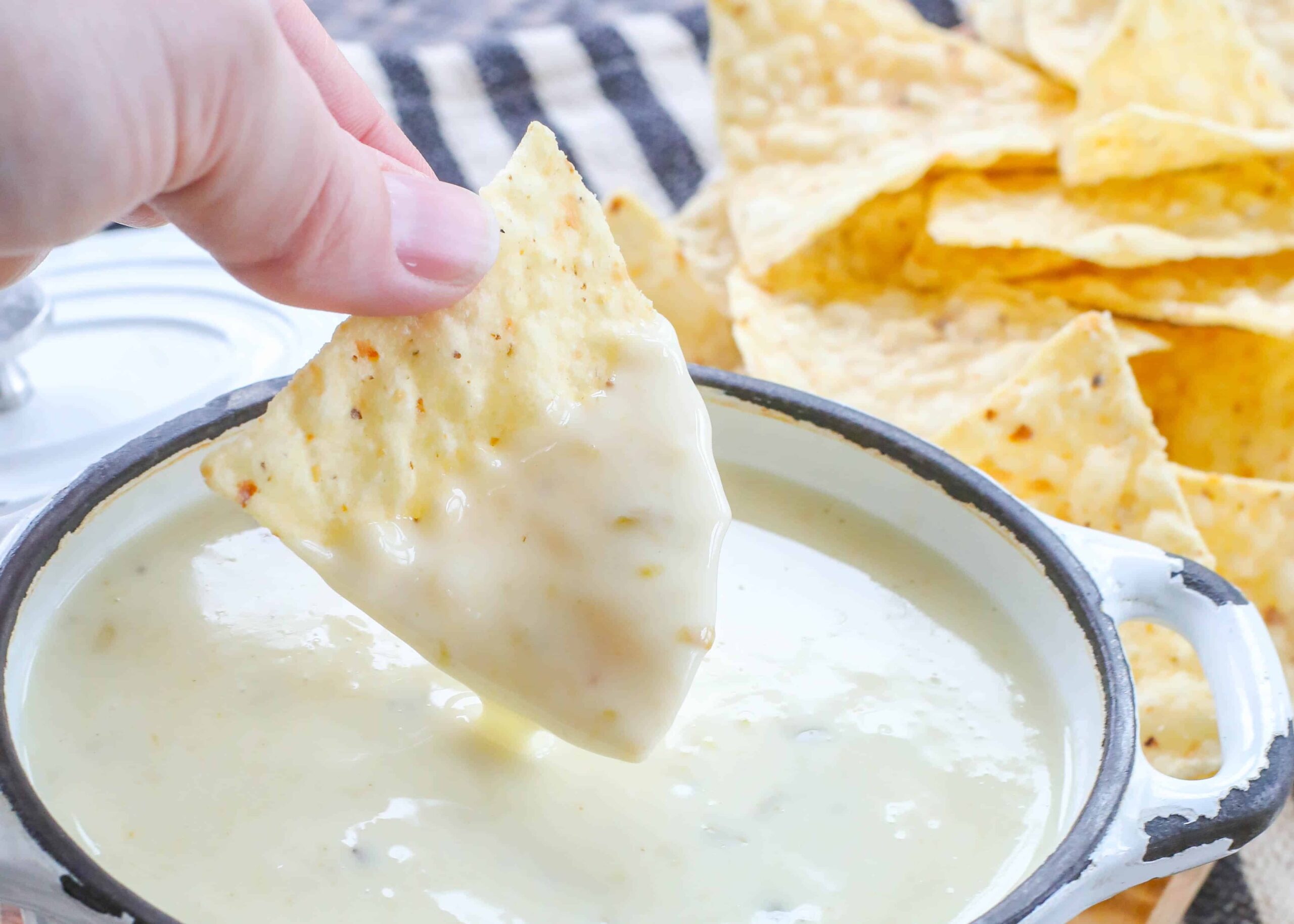
Creamy White Cheese Dip Recipe
Ingredients
Method
- In a medium saucepan over medium heat, combine the softened cream cheese, shredded queso blanco, milk, and sour cream. Stir constantly until smooth and fully melted, about 8–10 minutes.
- Add the minced garlic, cumin, cayenne pepper (if using), and salt. Continue to stir and cook for another 5–7 minutes until the dip is creamy and well combined.
- Remove from heat and stir in half of the chopped cilantro. Taste and adjust seasoning if needed.
- Transfer the dip to a serving bowl and garnish with remaining cilantro. Serve warm with tortilla chips, sliced jalapeños, or fresh vegetables.










That dip sounds incredible! I love how comforting and flavorful it must be—definitely making this for game night.
That dip sounds absolutely dreamy! I love how comforting simple ingredients can be—definitely adding this to my next party spread.
So creamy and delicious—this dip is perfect for dipping chips or adding to your favorite dishes! Definitely making this again soon.
This dip sounds absolutely delicious—homemade always hits different! I can totally picture that comforting bite.
Love this recipe! It’s the perfect go-to for game nights—so creamy and easy to make. Have you tried adding a pinch of cumin for extra flavor?